
What players say
Stellar Salvage: Cosmic Gem Run offers a refreshingly relaxed take on the arcade collection genre. The core loop of gathering gems and returning to base is simple but engaging, with each new stage introducing thoughtful obstacle layouts that test your route planning. The absence of timers or aggressive enemies keeps the mood peaceful. Visuals are clean and pleasant, and the gradual difficulty curve makes it easy to pick up for a few minutes or a longer session. A solid choice for players seeking a low-pressure, family-friendly game.
About this game
Core Objective and Flow
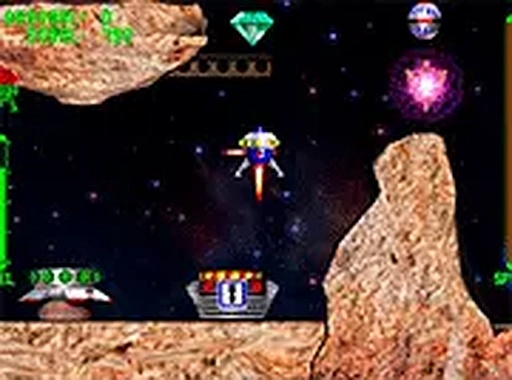
At its heart, Stellar Salvage: Cosmic Gem Run is about piloting a small rocket through a series of increasingly complex space environments. The primary goal is to locate and collect sparkling gems and gold coins that are scattered across each stage. Once your cargo hold is full or you decide to head back, you must return your ship to a designated base station. This base serves as both a checkpoint and a repair hub, allowing you to fix any damage sustained during your flight and refuel for the next sortie. The loop of collect, return, repair, and repeat forms the backbone of the experience.
Movement and Obstacle Awareness
Controlling the rocket requires a steady hand. Players use keyboard arrows or mouse movements to steer through fields of floating rocks, energy barriers, and other hazards. Collisions with these obstacles chip away at the ship's hull integrity, so learning to weave through tight gaps becomes essential. The game does not punish failure harshly; instead, it encourages players to study the layout of each area and improve their pathing. Over time, you develop a sense for which routes are safest and which gems are worth the risk.
Progression and Difficulty Curve
As you advance through the game, new environmental elements appear. Later stages introduce moving obstacles, narrow corridors, and areas where fuel is scarce. This gradual increase in complexity keeps the gameplay fresh without overwhelming newcomers. The difficulty ramps up by demanding better planning rather than faster reflexes. Players who take a moment to survey the area before moving often fare better than those who rush in. This design makes the game accessible to younger players while still offering a satisfying challenge for adults.
Visual Style and Atmosphere
The 2D graphics use bright, clean colors against a dark space backdrop. Gems glow with distinct hues, making them easy to spot against the void. The base station is marked by a friendly beacon, and the rocket leaves a soft trail as it moves. Sound effects are minimal, with a gentle hum for the engine and a pleasant chime when collecting items. The overall presentation is calm and inviting, reinforcing the game's focus on thoughtful play rather than frantic action.
Strategic Decision Making
Beyond simple collection, the game introduces a light resource management layer. Your rocket has two meters: hull integrity and fuel level. Both deplete over time and through collisions. Returning to base restores both, but every trip back costs time and may mean leaving some gems behind. Deciding when to push forward for one more gem and when to turn back is a constant strategic choice. This adds depth to what might otherwise be a straightforward collection game, giving each session a personal rhythm.









Player comments
Sign in to comment
You must be logged in before posting a review or rating.
No account? Create one
No comments yet. Be the first to comment!