
What players say
Edge Path: The Armless Warrior stands out with its unique protagonist concept. The absence of arms is not a gimmick but a core mechanic that shapes every jump and strike. Levels are well-crafted, introducing obstacles gradually while maintaining a fair challenge. The simple controls make it easy to start, but mastering the timing and positioning requires dedication. The IMGA nomination is well-deserved, highlighting the game's creative level design and thoughtful gameplay. It is a rewarding experience for players who enjoy methodical platformers.
About this game
Core Concept and Character Design
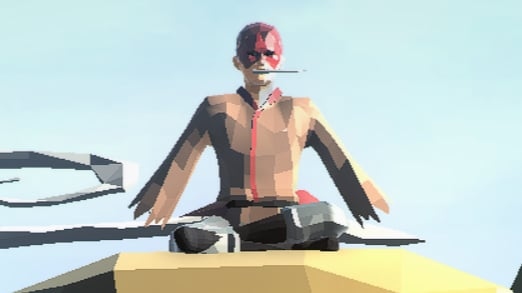
Edge Path: The Armless Warrior centers on a protagonist whose physical limitation defines the entire gameplay. Without arms, the character carries a blade clenched between his teeth, turning every movement into a calculated risk. This design choice is not merely cosmetic but deeply influences how players approach each level. The hero's vulnerability becomes a strength when used wisely, as the blade can be employed to defeat enemies and overcome barriers. The game challenges players to think differently about movement and combat, rewarding those who adapt to its unique constraints.
Level Structure and Environmental Challenges
Each stage in Edge Path presents a series of environmental puzzles and enemy encounters that require careful observation. Obstacles range from moving platforms and spiked pits to adversaries with distinct patrol patterns. The game introduces new elements gradually, allowing players to learn the mechanics before facing more complex arrangements. Success depends on reading the environment and timing actions precisely. The level design encourages multiple attempts, as each failure provides insight into the best approach. The nomination for the IMGA 2018 awards reflects the thoughtful construction of these stages.
Control System and Player Interaction
Players control the hero using standard keyboard inputs for movement and jumping. Special actions can be triggered to perform more powerful attacks against tougher foes. The controls are straightforward to learn, but mastery comes from understanding the game's rhythm. Timing jumps to avoid traps and positioning the blade correctly for strikes are essential skills. The game does not rely on complex combos but instead focuses on the player's ability to coordinate movement with environmental awareness. This simplicity makes the game accessible while still offering depth for those seeking a challenge.
Strategic Approaches and Player Growth
Edge Path rewards patience and experimentation. Players are encouraged to observe enemy patterns and trap placements before committing to a path. Each attempt at a level builds familiarity, and the game's design supports learning through repetition. Using special moves at opportune moments can turn difficult sections into manageable ones. The game does not punish failure harshly, allowing players to refine their strategies. Over time, players develop a sense of flow, moving through stages with increasing confidence. This progression from hesitant steps to confident navigation is a core part of the experience.
Visual Style and Atmosphere
The world of Edge Path is presented with a distinct visual identity that complements its gameplay. Environments are varied, from dark caverns to open landscapes, each with its own set of hazards. The character animations are clear, making it easy to read the hero's state and position. The art style supports the game's focus on precision, with visual cues that help players anticipate dangers. The overall atmosphere is one of constant alertness, where every screen presents a new test of skill. The visual design works in harmony with the gameplay to create a cohesive experience.



Player comments
Sign in to comment
You must be logged in before posting a review or rating.
No account? Create one
No comments yet. Be the first to comment!